Dog-Friendly Cottages in Devon: 2026 Booking Guide
Dog-friendly cottages in Devon: where to base yourself, what to check before booking, agency pet fees and dog caps, and beach and moorland lead rules.
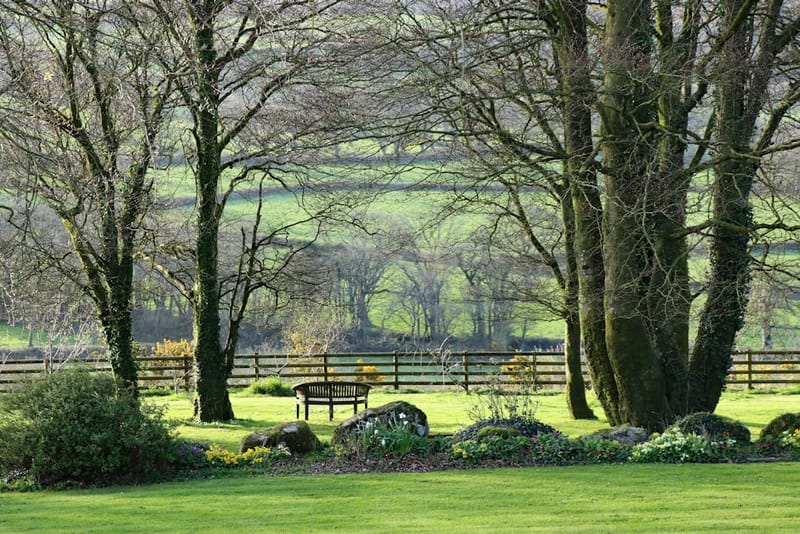
Dog-friendly cottages in Devon are spread across a bigger and more varied county than most visitors expect. Dartmoor (a granite-moorland National Park in south-west Devon) and Exmoor (a National Park straddling the Devon–Somerset border) both sit within reach, along with two coastlines, the Jurassic Coast UNESCO site and the South West Coast Path. The cottage stock follows that breadth, from clifftop barns above Croyde to granite longhouses on the edge of the moor.
This guide covers what separates a genuinely dog-friendly Devon cottage from a tolerant one, which region to base yourself in, how the main letting agencies differ, and the beach and moorland rules that decide where your dog can run once you arrive. For the wider county, start with our dog-friendly Devon destination guide.
What makes a Devon cottage genuinely dog-friendly?
'Pet-friendly' on a listing can mean almost anything. At one extreme, the cottage was designed for dogs - enclosed garden, stone or tiled floors, a dedicated boot room, a wash-down shower outside. At the other extreme, the owner reluctantly allows dogs and you'll find yourself navigating cream carpets and a 'no dogs on furniture' note left on the kitchen table. Both list under 'pet-friendly'. The difference is enormous after a wet day on Dartmoor.
Devon's geography adds two specific filters worth checking - proximity to off-lead walking (matters more here than in flatter counties) and how the property handles mud, since Devon mud is a real category of its own.
Fully enclosed garden
Essential on Dartmoor and Exmoor edges where livestock is nearby, and a strong filter even for coastal properties. 'Mostly enclosed' often means there's a gap you'll spend the week worrying about.
Hard floors throughout the ground floor
Slate, flagstone, polished concrete, or tile. Carpeted ground floors and Devon walking holidays are a bad combination.
Boot room or utility with outside access
Lets you decant a sandy or muddy dog before you reach the rest of the house. Some Devon properties have outside dog-wash showers - worth paying a premium for.
Walking distance to off-lead options
Coast path, footpath, woodland, common land - anything that doesn't involve a car. A 15-minute drive to every walk wears thin by day three.
Stated number of dogs allowed
Two is the usual ceiling. Classic Cottages, a large Devon and Cornwall agency, allows no more than two dogs unless the property says otherwise, and every dog must be named on the booking. 'Dogs by arrangement' usually means one small dog and an awkward email exchange.
Realistic pet fee disclosed up front
Agencies price dogs per pet, per week or short break. Classic Cottages charges £42 per pet at the time of writing. A fee far above that level, or one that only appears at checkout, is worth questioning before you pay a deposit.
House rules you can live with
Read them before booking. Classic Cottages keeps dogs out of bedrooms and off furniture, and asks that they are not left alone in the property, which shapes a day out at a dog-free attraction.
Where should you stay in Devon with a dog?
Devon is big - significantly bigger than Cornwall, and bigger than it looks on a map when you're driving its lanes. Basing yourself badly is the single most common Devon-holiday mistake: a cottage on Exmoor with a plan to do South Hams beach trips is an hour and a half each way. Pick the region that matches what you actually want from the week. For the moors in detail, see our Dartmoor dog walks guide and dog-friendly Exmoor guide.
North Devon coast
Exmoor and far North Devon
Dartmoor and West Devon
South Hams
East Devon (Jurassic Coast)
Tarka Trail country
How do the main Devon cottage agencies compare?
Devon's self-catering market is led by Sykes Cottages (the UK's largest pet-friendly holiday-cottage lettings agency) and Cottages.com, with Classic Cottages and Toad Hall Cottages in the premium tier. Smaller regional agencies such as Devon Hideaways and Helpful Holidays carry curated stock. The agency shapes the house rules and the pet charge as much as the cottage does.
Devon cottage agencies compared
- Sykes Cottages
- The largest pet-friendly inventory in the county. Strong filters for two or more dogs, enclosed gardens and ground-floor bedrooms. Mid-market pricing, with plenty of choice for short-notice trips.
- Cottages.com
- Broad Devon stock with a wide price range from budget to premium, and good coverage of the South Hams and Exmoor edges.
- Classic Cottages
- Curated South West stock at higher prices. Its published dog policy: £42 per pet per week or short break, a two-dog cap unless the property states otherwise, and no dogs in bedrooms or on furniture.
- Toad Hall Cottages
- Devon and Cornwall specialist with a smaller, tightly curated inventory and a strong reputation for customer service.
- Devon Hideaways / Helpful Holidays
- Regional specialists. Strong for Exmoor, Hartland, and rural Mid-Devon. Less inventory than the big platforms but often unique properties.
What should you check before you book?
Read the most recent guest reviews
Filter by 'with dog' if the platform supports it. Reviews from the last 6 months are most reliable - owners and conditions change.
Check the cottage's drive-distance to your priority walks
Open Google Maps and time the routes to your top three beach or moorland trailheads. 'Close to walks' on a listing means something different to every owner.
Verify the dog cap and any size/breed restrictions
Some cottages, particularly on farm and estate land near livestock, set a size or breed limit. Get it in writing before paying a deposit.
Confirm what's actually provided
Dog towels, water bowls, treat tins - some properties supply them, most don't. Useful to know before packing.
Check beach restrictions for your week
If the cottage is sold on its beach access, confirm that beach takes dogs in your dates. In East Devon the seasonal exclusions at Exmouth, Budleigh Salterton, Sidmouth, Beer and Seaton run from 1 May to 30 September.
When are dogs banned from Devon beaches?
Each district council sets its own dog rules through a Public Spaces Protection Order (PSPO, the council order behind seasonal beach exclusions and lead zones), so dates and stretches vary across the county. East Devon publishes the clearest rules; for the rest, the council's PSPO page and the sign at the beach entrance are the authority. Our dog-friendly beaches in Devon guide covers the beach-by-beach breakdown.
Devon beach and lead rules by district
- East Devon (Exmouth, Budleigh Salterton, Sidmouth, Beer, Seaton)
- Dogs excluded from the marked areas 1 May – 30 September; allowed on all East Devon beaches 1 October – 30 April, per East Devon's council. Pick up and bin everywhere, not only on beaches.
- East Devon exclusion stretches
- Exmouth from the Octagon café to the second groyne at Orcombe Point; Seaton from Castle Hill to Trevelyan Road. Enforcement officers can issue fixed penalty notices.
- North Devon (Croyde, Woolacombe, Saunton)
- Seasonal exclusions on parts of the main beaches under the council's dog PSPO, which recommends a lead no longer than 1.5m where it requires one. Fines run up to £1,000 on conviction.
- Torridge, South Hams, Torbay, Teignbridge
- Summer exclusions on the main resort beaches, with quieter beaches often open to dogs. Check the district's PSPO page and the beach signs for your exact dates.
What are the lead rules on Dartmoor and Exmoor?
Much of Dartmoor and Exmoor is mapped as Open Access, a right to roam on foot over open country under the Countryside and Rights of Way Act 2000. The Countryside Code (the government's official guidance for countryside visitors) requires a lead on Open Access land from 1 March to 31 July, even where no livestock is in sight, and a lead around livestock at the coast and on access land at any time of year. Devon & Cornwall Police (the force covering Devon, Cornwall and the Isles of Scilly) specify a short lead of no more than two metres for that spring period.
Sheep, cattle and ponies graze both moors unfenced, so a cottage on the moor edge means lead walking for much of the spring. The Countryside Code also advises letting go of the lead if cattle or horses threaten you. Livestock worrying is a live issue in the county: ITV News West Country reported dozens of sheep killed in dog attacks in Devon in September 2026. Our livestock worrying law guide covers what the offence means for owners.
1 March – 31 July
Lead of two metres or less on Open Access land, livestock or not.
All year near livestock
Lead on, at the coast and on Open Access land.
Cattle or horses threatening you
Let the dog off the lead and move away by the safest route.
August to February, away from livestock
Off-lead walking is fine where your dog has reliable recall.
How do you plan a day out with the dog in Devon?
The point of a Devon cottage holiday for most dog owners is the volume of off-lead time available. A typical day-trip rota from a well-placed base might be:
Morning: a beach run, on a beach outside the summer exclusion zones or anywhere out of season
Mid-morning: a coast path section, picked for one-direction views and a pub at the far end
Lunch: a dog-friendly pub - Devon has them in unusual density. See our dog-friendly UK pubs guide
Afternoon: a National Trust estate where dogs are welcome on the wider grounds - check the property page before you go, since rules differ between house, garden and parkland
Late afternoon: a forest or river walk in the shade for older or smaller dogs (Bellever Forest, Watersmeet, Tarr Steps)
Evening: a pub garden, ideally with a beer line that knows what it's doing. Our dog-friendly beer gardens guide has the Devon picks
What should you pack for a Devon cottage with a dog?
Two old towels minimum
Devon mud is its own thing. You will need one in the boot of the car and one by the cottage door.
A tick remover and current tick prevention
Devon is a serious tick area, especially Dartmoor and Exmoor edges. Lyme disease is present in the local tick population.
Long line and short lead
A long line for the beach out of season, and a short lead of two metres or less for the moors in spring, clifftops, lanes and livestock.
Current lungworm treatment
Lungworm is endemic in Devon. Confirm with your vet that your dog's treatment is up to date before the trip.
Offline maps
Mobile signal is patchy across both moors. Download the area before you leave home. See our dog travel checklist for the full pack.
Poo bags in quantity
East Devon applies its pick-up-and-bin rule everywhere a dog goes, and the other districts enforce theirs through the same kind of order.
What has changed for dog owners in Devon this season?
- East Devon's beach rules were last updated in July 2026: the 1 May – 30 September exclusions at Exmouth, Budleigh Salterton, Sidmouth, Beer and Seaton are unchanged, and dogs are welcome on every East Devon beach through the winter (East Devon District Council).
- North Devon's dog PSPO came up for renewal at a council committee in November 2026. Check the council PSPO page for the version in force before a 2027 trip.
- Livestock worrying is under police focus after a run of fatal sheep attacks in Devon in autumn 2026, so expect lead rules on the moors to be enforced.
Frequently asked questions
How much do dog-friendly cottages in Devon cost?
How many dogs can I take to a Devon cottage?
Are Devon cottages better than Cornwall cottages for dogs?
When should I book a Devon cottage for summer?
What's the best area of Devon for a first-time visit with a dog?
Do Devon cottages allow large breeds?
Are there cottages with secure gardens close to off-lead walks?
Should I book through Sykes Cottages or Cottages.com for Devon?
Do dogs have to be on a lead on Dartmoor?
When are dogs allowed on East Devon beaches?
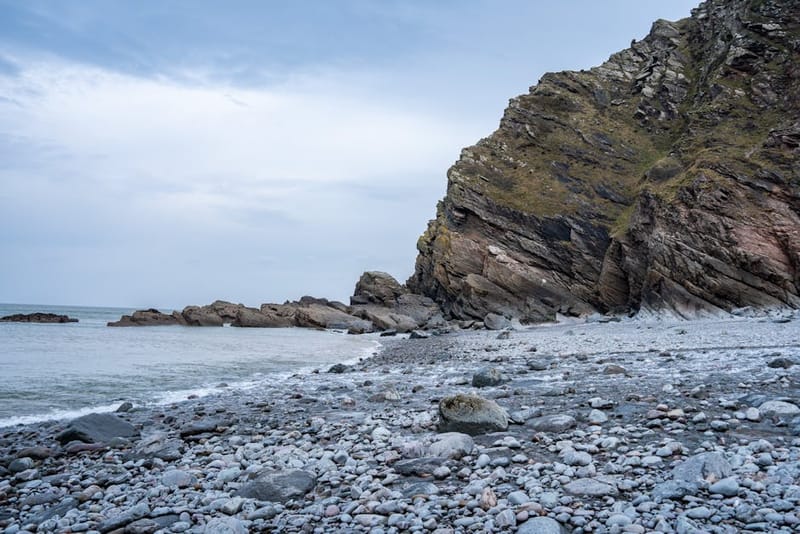
Dog-Friendly Devon
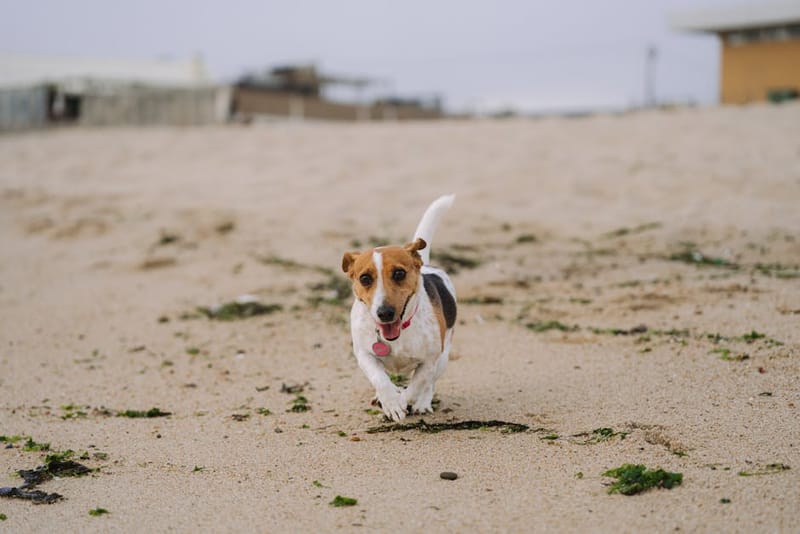
Dog-Friendly Beaches in Devon

Pet-Friendly Cottages Cornwall
Sources: East Devon District Council dog information (updated July 2026); North Devon Council dog PSPO FAQs; The Countryside Code (GOV.UK); Devon & Cornwall Police livestock worrying advice; Classic Cottages dog policy; South West Coast Path Association route information. Facts checked 24 November 2026.