What Do I Need to Pack for Travelling with My Dog?
Never forget the essentials again. The complete dog travel checklist - documents, food, safety gear, comfort items, and first aid for stress-free trips.
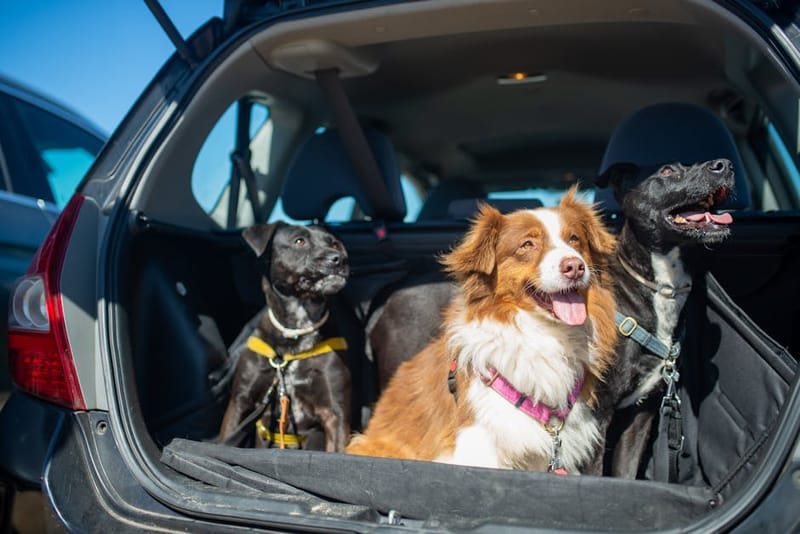
It's a familiar story. You're halfway down the motorway, the dog's happily drooling on the back seat, and that sinking feeling hits: did I pack the poo bags? Or worse - you arrive at a gorgeous coastal cottage only to realise the lead is still hanging on the hook by the front door. At home.
Forgetting the dog's food, the towel, the chew that keeps them settled on the sofa, or the vaccination card the kennels asked for - every dog owner who travels has done at least one of these, usually at 9pm in a town where the pet shop has just shut. This checklist exists so the next trip doesn't.
Whether you're heading to the Lake District for a long weekend, driving down to Cornwall, or crossing the Channel for a European adventure (or even flying with your dog from the UK), having a proper packing list makes the difference between a relaxing holiday and a stressful scramble. So grab a cuppa, bookmark this page, and let's make sure your next trip with your dog goes off without a hitch.
Pre-trip preparation sequence for travelling with a dog
Six packing categories in the order that matters: documents and vet paperwork sorted weeks early, daily essentials staged a day ahead, and accommodation-specific items packed last.
Gather essential documents
Sort pet passport or Animal Health Certificate, vaccination records, microchip details, and pet insurance paperwork weeks before travel - anything that needs vet sign-off has its own lead time.
Plan food and water
Pack the dog’s regular food for the full trip plus two extra days, a portable bowl, and bottled water for sensitive stomachs. Avoid sudden food changes that cause digestive upset on the road.
Sort safety and restraint
Choose a UK Highway Code-compliant restraint (harness, crate, or boot barrier), pack a spare lead, and confirm the ID tag is current - collars with ID are a legal requirement in public.
Pack comfort items
Bring familiar bedding, a couple of favourite toys, and several towels. Familiar scents help nervous dogs settle in unfamiliar accommodation faster.
Build a first aid kit
Tick remover, antiseptic wipes, wound spray, regular medications, and the phone number of an emergency vet near the destination. Small kit, big return when something goes wrong.
Prep for the accommodation
Confirm the host’s pet policy in writing, take a sheet or throw to protect furniture, and bring a portable crate or pen if your dog uses one at home.
What essential documents do you need?
The paperwork you absolutely cannot forget
Pet passport or Animal Health Certificate (AHC)
Since Brexit, UK dogs travelling to the EU need an Animal Health Certificate issued by an Official Veterinarian (OV) no more than 10 days before travel. It covers rabies vaccination, tapeworm treatment, and microchip verification. If you're staying within the UK, you won't need this - but it's worth knowing the rules if you're tempted by a spontaneous ferry crossing.
Vaccination records
Keep a copy of your dog's up-to-date vaccination history. Some kennels, doggy daycares, and even certain accommodation providers will ask to see proof of vaccinations, particularly for kennel cough.
Microchip details
Your dog must be microchipped by law in the UK (since 2016). Carry your microchip registration details and make sure your contact information is up to date - especially your mobile number. If your dog goes wandering in an unfamiliar place, this is your best chance of a reunion.
Pet insurance documents
Pack your policy number and the insurer's emergency helpline number. Vet bills away from home can be eye-watering, and you don't want to be hunting through emails in a waiting room at midnight.
Emergency vet contacts for your destination
Before you travel, look up the nearest vet to where you're staying. Save their address and phone number in your phone. Many rural areas have limited out-of-hours cover, so check that too.
What food and water kit should you pack?
Keep their tummy happy and their tail wagging
Enough food for the entire trip, plus two extra days
Don't assume you'll find your dog's usual brand at the local shop. Rural areas especially can have limited options. We always pack a couple of extra days' worth in case of delays or extended stays.
Portable water bowl
A collapsible silicone bowl weighs practically nothing and fits in any pocket. Absolute lifesaver for walks, car breaks, and pub gardens. We keep one clipped to every lead.
Bottled water (for sensitive stomachs)
Some dogs react to changes in water - different mineral content, chlorine levels, and so on. If your dog has a sensitive tummy, bringing water from home for the first day or two can help them adjust.
Treats for rewards and distraction
High-value treats are golden for keeping your dog calm in new environments, rewarding good behaviour in the car, and bribing them back when they discover how exciting a sheep field is. Pack more than you think you'll need.
Food storage container
An airtight container keeps kibble fresh and stops your car smelling like a pet shop. Resealable bags work in a pinch, but a proper container is worth the boot space.
What safety and restraint gear do you need?
Keep everyone safe on the road and beyond
Car harness, travel crate, or boot barrier
Highway Code Rule 57 states that dogs must be suitably restrained in a vehicle so they cannot distract the driver or injure you or themselves during an emergency stop. An unrestrained dog in a crash becomes a projectile - a 30kg dog at 30mph hits with the force of a baby elephant. Use a crash-tested harness, a secured crate, or a boot barrier. No exceptions.
Lead and a spare lead
Leads break, get lost, or get left behind at rest stops. Always have a backup. A long line (5-10 metres) is also brilliant for giving your dog freedom on beaches or in fields where you can't let them fully off-lead.
Collar with ID tag (legal requirement)
Under the Control of Dogs Order 1992, your dog MUST wear a collar with a tag showing your name and address when in a public place. Yes, even if they're microchipped. The tag is a legal requirement on top of the chip. Include your mobile number too - it's not legally required but it's common sense.
Muzzle (if needed)
Some situations call for a muzzle - certain ferry companies require them, some busy tourist spots, or if your dog gets anxious around unfamiliar dogs. If your dog might need one, make sure they're comfortable wearing it before the trip. Never introduce a muzzle for the first time in a stressful situation.
Hi-vis collar, lead, or coat
If you're walking near roads or in low light (which, let's be honest, is half the year in the UK), a reflective or LED collar makes your dog visible to drivers. A small investment that could save your dog's life.
Which comfort items help dogs settle?
Helping your dog feel at home, wherever you are
Their favourite bed or blanket
This is probably the single most important comfort item you can bring. A bed or blanket that smells like home gives your dog an instant safe space in any new environment. Don't wash it before the trip - the familiar scent is the whole point.
Favourite toys (but not too many)
Two or three familiar toys are plenty. Their absolute favourite plus a good chew toy for downtime. Over-packing toys just means more stuff to lose under holiday cottage sofas.
Towels - plural
If you've ever had a Labrador discover the joy of a muddy estuary, you'll know why we say towels, not towel. Pack at least two dedicated dog towels. Microfibre ones dry fast and take up less space, but honestly, any old towel will do. Your holiday accommodation will thank you.
A familiar feeding mat or bowl
Using their usual bowl helps maintain routine. Some dogs won't eat from unfamiliar dishes - one more thing to stress about that's easily avoided.
What health and first-aid kit should you take?
Be prepared for the scrapes, the ticks, and the dodgy things they eat
Tick remover tool
If you're heading anywhere with long grass, woodland, or moorland (so basically anywhere nice in the UK), ticks are a real possibility. A proper tick remover tool costs a couple of quid and is infinitely better than trying to twist them out with your fingers. Check your dog after every walk, paying special attention to ears, armpits, and the groin area.
Antiseptic wipes and wound spray
For minor cuts, grazes, and the inevitable thorn-in-paw incident. Dog-safe antiseptic spray is ideal, but saline wound wash works well too.
Any regular medications
This sounds obvious, but it's surprisingly easy to forget daily medications in the rush of packing. Set a reminder if you need to. Pack more than you need in case of delays.
Poo bags - lots of them
And then pack more. There is no such thing as too many poo bags. Running out at a beauty spot with no shop for miles is a special kind of panic. We stash them in every coat pocket, every bag, and the glove box.
Flea and worm treatment
Make sure your dog is up to date before you travel, especially if you're going somewhere with livestock. If treatment is due during your trip, bring it with you.
Bandages and vet wrap
Self-adhesive vet wrap (cohesive bandage) is incredibly useful for paw injuries. It sticks to itself, not to fur, and can hold a makeshift dressing in place until you reach a vet.
Tweezers
For splinters, thorns, grass seeds, and other small foreign objects. Grass seeds in particular can work their way into ears and between toes and cause serious problems if not removed quickly.
How should you prep the accommodation?
Set yourself up for a warm welcome (and a return invite)
Check the pet policy thoroughly
Read the small print. How many dogs are allowed? Are there breed or size restrictions? Are dogs allowed on furniture or upstairs? Is there an additional pet fee or deposit? Are there any areas of the property that are off-limits? Knowing the rules in advance prevents awkward conversations on arrival.
Bring a sheet or throw for furniture
Even if dogs are technically allowed on the sofa, covering it with your own throw shows consideration and protects against muddy paw prints and shed hair. It also means your dog gets to sit in their usual spot without you worrying about damage deposits.
Portable crate or pen (if your dog uses one)
If your dog is crate-trained, bringing their crate gives them a guaranteed safe space. It's also essential if the accommodation doesn't allow dogs to be left alone without one. A lightweight fabric travel crate folds flat for easy transport.
Stair gate (for doorways)
A pressure-fit stair gate can section off areas that are off-limits to your dog. Much less stressful than constantly calling them away from the host's prize cream carpet.
Cleaning supplies
Pack a lint roller (for removing hair from furnishings), pet-safe surface cleaner, and paper towels. Accidents happen, especially in unfamiliar surroundings. Being able to clean up thoroughly shows respect for the property and helps keep dog-friendly places dog-friendly.
Where to go once you arrive
Pubs, cafés, restaurants and attractions that welcome dogs
What is the quick-reference checklist?
Your at-a-glance packing list - screenshot this!
Documents
Pet passport/AHC (if travelling abroad) | Vaccination records | Microchip details | Insurance documents and policy number | Emergency vet contacts for your destination
Food & Water
Dog food (trip duration + 2 extra days) | Portable/collapsible water bowl | Bottled water (if sensitive stomach) | Treats | Airtight food container
Safety & Restraint
Car harness, crate, or barrier (Highway Code Rule 57!) | Lead + spare lead + long line | Collar with ID tag (name, address, phone - legal requirement) | Muzzle if needed | Hi-vis/reflective gear
Comfort
Favourite bed or blanket (unwashed - familiar scent!) | 2-3 favourite toys | Dog towels (at least 2) | Usual food bowl
Health & First Aid
Tick remover | Antiseptic wipes/wound spray | Regular medications | Poo bags (then more poo bags) | Flea/worm treatment | Bandages/vet wrap | Tweezers
Accommodation
Pet policy checked and confirmed | Sheet/throw for furniture | Travel crate or pen | Stair gate | Lint roller and cleaning supplies