Dog-Friendly Cotswolds
Honey-stone villages, rolling countryside, and a pub welcome on every corner - the Cotswolds is one of the easiest UK regions to enjoy with a dog
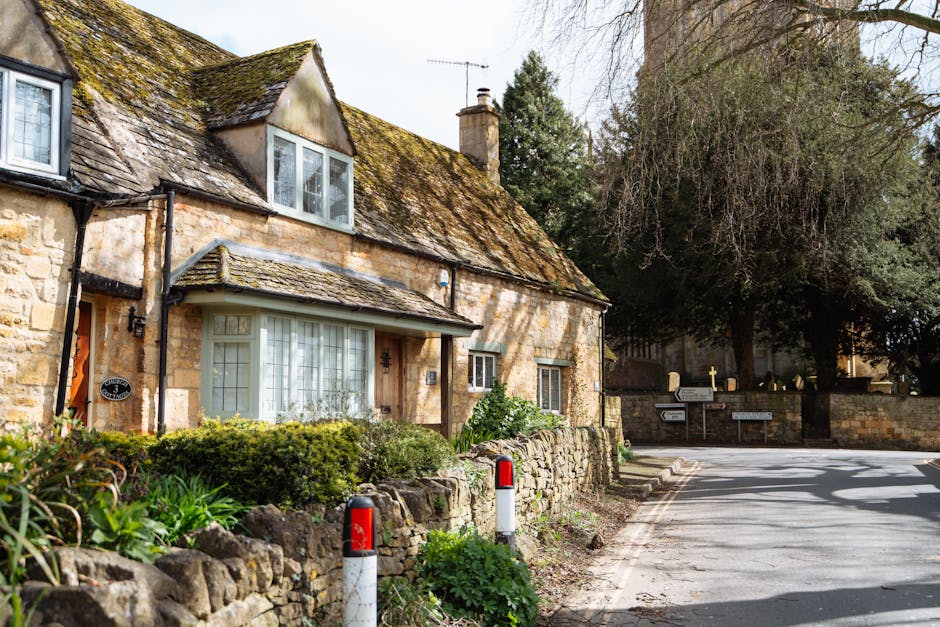
What are the best Cotswolds villages to base yourself in?
Bourton-on-the-Water
Often called the 'Venice of the Cotswolds' for the low stone bridges crossing the River Windrush, Bourton is the most tourist-busy of the villages but stays pleasant out of high season. The riverside green is shallow and dog-safe in summer for a paddle, several pubs along Sherborne Street are dog-welcoming, and you're within a 10-minute drive of Lower Slaughter (a Cotswolds village on the River Eye, known for its honey-stone cottages) and the Slaughter Brook walk.
Stow-on-the-Wold
The highest village in the Cotswolds at 800 feet, Stow has an open market square ringed by independent shops, a strong pub scene (the Porch House claims to be England's oldest inn), and easy access to walks heading out to Lower and Upper Slaughter. Quieter in the evening than Bourton.
Chipping Campden
In the northern Cotswolds, Chipping Campden is a single-street village of unusually elegant honey-coloured buildings. It's also the start point of the 102-mile Cotswold Way (a 102-mile National Trail from Chipping Campden to Bath) - even if you only walk the first mile up to Dover's Hill (an escarpment above Chipping Campden with views across the Vale of Evesham), you get a panoramic view across the Vale of Evesham.
Broadway
A broad main street lined with antiques shops and tea rooms, with Broadway Tower and its 200-acre deer park (yes, you'll need to keep dogs on a lead near deer) a short drive away. Good for combining gentle village pottering with a bigger walk.
Burford
Often described as the 'gateway to the Cotswolds' coming from Oxford, Burford has a steep, picture-postcard high street running down to a medieval bridge over the Windrush. Several dog-friendly pubs and a manageable size for a weekend base.
Painswick
A quieter, less polished alternative in the southern Cotswolds, Painswick sits on a hilltop with views across the Severn Vale. Painswick Beacon, a five-minute drive from the village, is a brilliant short walk with off-lead potential outside livestock fields.
What are the best dog walks in the Cotswolds?
The Cotswolds is one of the easiest regions in England to walk a dog. The footpath network is dense, signage is generally good, and most paths cross sheep pasture or arable fields rather than dense woodland - meaning fewer surprise wildlife encounters and clearer sightlines.
The Slaughters Loop (3 miles, easy)
A flat, mostly-paved walk linking Lower Slaughter, Upper Slaughter, and the open meadows of the Eye Brook. Start in Lower Slaughter village, follow the brook upstream, return via the lanes. Suitable for older dogs and short legs alike. Cars at Lower Slaughter Manor or roadside in the village.
Cotswold Way: Broadway to Broadway Tower (3 miles return, moderate)
A steady climb out of Broadway village up to Broadway Tower at 1,024 feet - the highest point in the Cotswolds. The reward is one of the best views in southern England. Sheep grazing means dogs on leads on the climb itself, but the tower grounds are open and grassy.
Dover's Hill from Chipping Campden (2.5 miles, easy)
A short walk from the centre of Chipping Campden up to Dover's Hill, a natural amphitheatre with views across the Vale of Evesham. Site of the Cotswold Olimpicks, an annual rural games event dating back to 1612.
Cleeve Common (4–6 miles, moderate)
The largest area of unenclosed common land in the Cotswolds, near Cheltenham. Open grassland with no livestock at most times of year - one of the few places where dogs can run off-lead with confidence. Bring water in summer; there's no shade.
Painswick Beacon Loop (3 miles, moderate)
A loop around Painswick Beacon and the Iron Age hillfort, with panoramic views over the Severn Vale and the Forest of Dean. Mostly grassland; some sections cross a golf course where dogs should be controlled.
Bibury and Coln Valley (4 miles, easy-moderate)
Start at the photogenic Arlington Row in Bibury (William Morris reportedly called this the most beautiful village in England), follow the River Coln upstream, and return via Ablington. Mostly flat, with the Coln providing easy paddling stops on warm days.
Where can I find dog-friendly pubs in the Cotswolds?
The Cotswolds has the strongest pub-and-dog culture of any UK region we cover. Most country pubs welcome dogs throughout the bar and dining areas, and many provide water bowls and treats without being asked. Several Cotswolds pubs - including The Lygon Arms in Broadway - appear in our guide to the UK's best dog-friendly beer gardens for their summer terraces.
The Bull Inn, Charlbury
A polished gastropub on the southern edge of the Cotswolds with a strong dog welcome - water bowls, treats, and dogs allowed throughout the bar and most dining areas. Excellent food, a good wine list, and a courtyard garden in summer.
The Mousetrap Inn, Bourton-on-the-Water
Set just back from the main tourist drag in Bourton, the Mousetrap is a traditional village pub that allows dogs in the bar area. Decent pub-food menu and a small garden out back.
The Lamb Inn, Burford
A 15th-century inn at the foot of Burford's high street. Dogs welcome in the flagstoned bar and the small courtyard garden. Stays moderately quiet on weekday lunches.
The Eight Bells, Chipping Campden
Dating to the 14th century, the Eight Bells has low ceilings, exposed beams, and a relaxed attitude to dogs. Walking distance from Chipping Campden's main street, making it a sensible stop after a Dover's Hill walk.
The Wild Rabbit, Kingham
More restaurant-with-rooms than pub, but dogs are genuinely welcome in the bar and lounge area. Pricier than typical Cotswolds pubs but the food and atmosphere are well above average.
The Fox at Lower Oddington
A proper village inn between Stow and Chipping Norton. Dog-friendly throughout, with a flagstoned bar that makes the most of muddy paws. Outdoor seating in good weather.
Where can I find dog-friendly cottages and hotels?
The Cotswolds has more dog-friendly self-catering options than almost any other UK region. Stone cottages with enclosed gardens are the typical product - perfect for a dog after a long walk.
Self-catering cottages
For a week or a long weekend, a self-catering cottage usually beats a hotel for travelling with dogs. The bigger holiday-let agencies (Sykes, Cottages.com, Premier Cottages, and Helpful Holidays for the Sykes-group Cotswolds-and-SW subset) all maintain searchable dog-friendly filters with hundreds of Cotswolds properties. Look for:
- Enclosed garden - non-negotiable if you don't want to lead-walk for every toilet break
- Hard floors downstairs - easier to clean after muddy paws than carpet
- Maximum dog count - most properties cap at 1 or 2; a few accept 3+
- Dog charge - typically £25–£50 per dog per week; some properties charge nothing
- No-go rooms - many cottages exclude dogs from bedrooms or upstairs
Hotels and inns with dog-friendly rooms
If you'd rather have meals included, several Cotswolds inns and hotels offer dedicated dog-friendly rooms:
- The Lygon Arms, Broadway - historic inn with allocated dog-friendly rooms, bowls, beds, and dog menu
- The Lamb Inn, Burford - dog-friendly bedrooms, dogs welcome throughout the public areas
- The Wheatsheaf Inn, Northleach - country inn with garden access, dogs welcome in rooms and bar
- The Slaughters Country Inn - riverside setting, dogs welcome in selected rooms with prior arrangement
See our broader dog-friendly hotels UK guide for the full booking approach across UK destinations.
Practical Tips for Visiting the Cotswolds with a Dog
How do I get there with my dog?
The Cotswolds is most easily reached by car - public transport between villages is patchy and slow. From London, the M40/A40 brings you in via Burford in around 90 minutes; from Birmingham, the M5/A46 reaches Broadway in 75 minutes. If you're travelling by car with your dog, the road network is gentle but rural roads narrow quickly, so build in extra time.
When to visit
Late spring (May, early June) and early autumn (September, October) are the sweet spots - fields are still green, wildflowers or autumn colour are at their best, and the worst of the tourist crowds are gone. July and August get busy in the popular villages (Bourton especially); winter is quieter but many pubs reduce dog-friendly seating in cold months when fires take precedence.
Lead etiquette
The Cotswolds is sheep country. National Trust and AONB guidance is unambiguous: leads on around livestock, and dogs under close control everywhere on open access land. Stiles are common - train your dog to manage them, or carry a smaller dog over.
What to pack
- Towel and old blanket for muddy returns to the car
- Water bottle and travel bowl - Cotswolds streams are generally clean but the chalk-stream rivers can run low in summer
- Tick remover - sheep-grazing land carries higher tick risk than urban parks
- Dog poo bags - shops in popular villages stock them, but rural lanes are sparse
Vet access
Cheltenham, Cirencester, Stow-on-the-Wold, and Burford all have local vet practices. For out-of-hours emergencies, Vets Now operates a 24-hour clinic in Cheltenham.
What are the most-asked questions?
Q01Are dogs allowed off-lead in the Cotswolds?
Q02Can I bring my dog to Cotswolds attractions?
Q03Where can I let my dog swim safely?
Q04Is there a beach for dogs nearby?
The Cotswolds is inland, but the nearest dog-friendly beach is a 90-minute drive to Weston-super-Mare in Somerset. For coastal trips with dogs, see our guide to the best dog-friendly beaches in the UK.
Q05How many days do I need for the Cotswolds with a dog?
Q06Do I need to book pubs in advance?
When to Visit the Cotswolds with Your Dog
| Season | Pros | Cons |
|---|---|---|
| Spring (Mar–May) | Lambs, wildflowers, mild weather | Lambing means stricter lead rules |
| Summer (Jun–Aug) | Long days, river paddling, full pub gardens | Crowded villages, hot tarmac, ticks |
| Autumn (Sep–Oct) | Beech colour, fewer tourists, dry trails | Shorter days, livestock returning to lower fields |
| Winter (Nov–Feb) | Quiet pubs, clear skies, log fires | Mud, shorter walks, some pubs reduce dog seating |
For most dogs and most owners, late September through mid-October is the best window - warm enough for long walks, dry enough for paths to be in good condition, and quiet enough that the popular villages feel manageable rather than swamped.
What should I read next?
If you're planning a wider UK trip with your dog, these guides pair well with the Cotswolds:
- Dog-Friendly Attractions UK - a national overview of where dogs are genuinely welcome
- Dog-Friendly Days Out Near London - the Cotswolds is ~90 minutes from London
- Dog-Friendly Bath - the natural southern continuation, ~30 minutes from the southern Cotswolds
- Best Dog-Friendly Beaches in the UK - for combining inland and coastal trips
- Dog-Friendly Pubs UK - more dog-friendly pubs across the UK
- Dog Travel Checklist - what to pack before any UK trip with a dog