Dog-Friendly Nature Days Out: Reserves & Lead Rules
Planning nature days out with a dog? Where dogs are welcome on nature reserves, heaths and coast, and the lead seasons that apply in 2026.
A nature day out with a dog works best when you know the rules before you park. Heaths, nature reserves, coastal paths and woods are some of the best places in Britain to walk a dog, but each one has its own lead rules, and some reserves keep dogs out altogether to protect wildlife. This guide sets out who makes those rules, when the seasonal lead periods apply, and how to choose a nature reserve where your dog is genuinely welcome.
Where can you take a dog on a nature day out?
Dog-friendly nature days out fall into four broad groups, and the rules tighten as you move down the list.
- Open access land (mapped mountain, moor, heath, down and common land in England where you may walk off the paths) gives you the most freedom, within a statutory lead season.
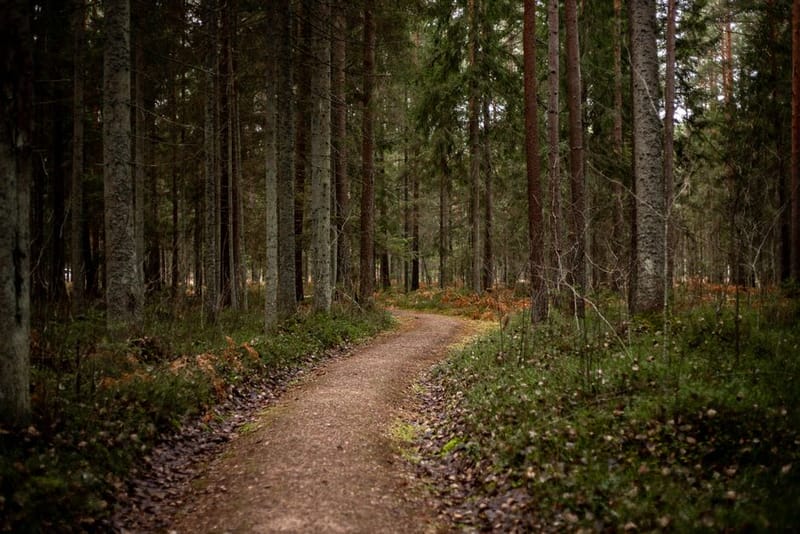
- Forests and country parks are run for recreation, so dogs are part of the plan. Our dog-friendly forests guide covers the best woodland trail networks.
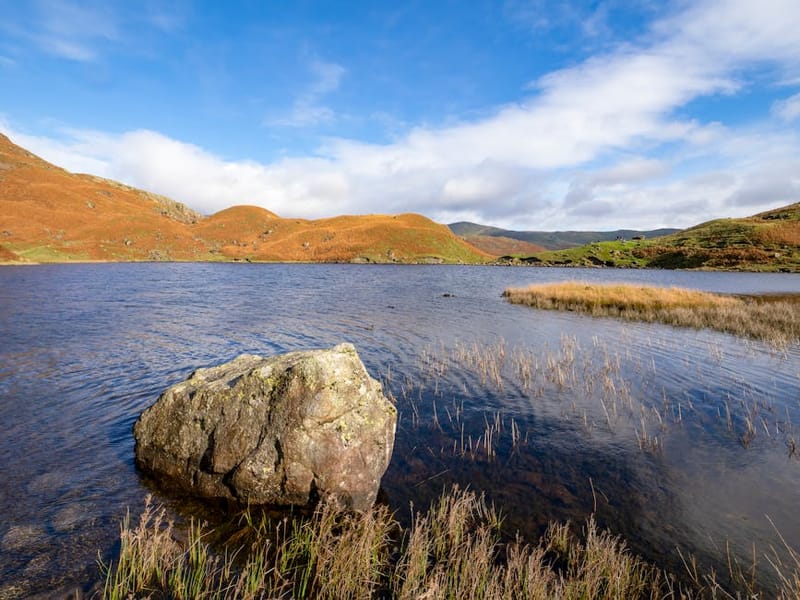
- National Parks and National Trust estates mix open country with managed sites. See our National Parks directory and National Trust guide.
- Nature reserves exist first for wildlife. Many welcome dogs on a lead, some restrict them to set trails, and a few ban them outright.
That last group is where a nature day out most often goes wrong, so most of this guide is about reserves.
What are the lead rules on open access land?
The right to roam in England comes with one clear dog rule. According to GOV.UK, on open access land your dog must be on a lead no longer than 2 metres between 1 March and 31 July, the breeding season for ground-nesting birds, and at all times when you are near livestock. Outside those times the dog still has to be under control, and local signs can add restrictions.
The access rights cover walking, running, watching wildlife and climbing. Horse-riding, cycling and camping are not normally included, and Natural England's guidance on open access land management confirms that the rights do not extend to professional dog walking.
Is the coast different?
Yes. On the coastal margin (the land alongside the King Charles III England Coast Path), Natural England's guidance sets no seasonal lead period. Dogs must be under effective control at all times, and the 2-metre lead applies only near livestock. A coastal heath can therefore carry different rules from an inland one a few miles away. Our long-distance trails guide covers the coast path in more detail.
Are dogs allowed in nature reserves?
Usually yes, on a lead, but there is no single national rule. Each reserve's manager sets its own policy, and the two biggest reserve networks illustrate the range.
The Wildlife Trusts (a federation of independent county wildlife charities across the UK) run their reserves trust by trust. Together with Dogs Trust, they ask owners to keep dogs on leads where reserves signpost it, to protect ground-nesting birds such as skylarks, lapwings, meadow pipits and nightjars, and to keep dogs out of reserve ponds and rivers (The Wildlife Trusts).
The rules then vary by county. Dorset Wildlife Trust welcomes dogs on most of its reserves on a short lead at all times, but bans them from five: Broad Oak Orchard, Brownsea Island, Bugdens Meadow, Girdlers Coppice and King's Lane Orchard. The trust's reason is that dog mess enriches the soil, which works against the wildflowers those sites protect.
The RSPB (the Royal Society for the Protection of Birds, a nature conservation charity that manages reserves across the UK) also sets rules reserve by reserve. Some reserves welcome dogs on designated trails, others keep them out entirely, so the reserve's own facilities page is the only reliable answer.
What does a dog-friendly reserve look like?
RSPB Arne, a heathland and woodland reserve on Poole Harbour in Dorset, is a useful worked example of how a reserve can welcome dogs while protecting its most sensitive ground. According to the RSPB Arne facilities page:
- Dogs on leads are welcome on the reserve's designated dog-friendly trails.
- Dogs are welcome in the visitor centre, shop and café, where water bowls are provided.
- Dogs are not allowed on the Hyde's Heath Trail at the top of the reserve, except assistance dogs.
- For off-lead exercise, the RSPB points owners to Dorset Council's Bog Lane area near Stoborough.
That pattern repeats across the country: trails for dogs, a no-dog zone for the most sensitive habitat, and a nearby off-lead alternative. A reserve that publishes all three is a reserve that wants dog owners to visit. For more on the county, see our dog-friendly Dorset guide.
When do local lead seasons run longer?
Councils and land managers can set their own lead periods, and they do not always match the statutory 1 March to 31 July window. BCP Council (the unitary authority for Bournemouth, Christchurch and Poole) runs a dogs-on-lead season on its heathland and nature reserves from March to August, a month longer than the open access rule. During that season a 2-metre lead is required where requested, and a lead is required near livestock all year.
The season covers nine named sites, including Hengistbury Head, St Catherine's Hill and Talbot Heath. If you plan a late-summer nature day out around Bournemouth or Poole, assume your dog stays on the lead.
The wider point holds anywhere: the date on the sign at the entrance outranks the general rule you read beforehand.
How do you plan a nature day out with a dog?
Find the reserve's own dog page
Search the site name with "dogs". Wildlife Trust and RSPB reserves publish their rules per site, and that page beats any general guide, this one included.
Check the month against the lead season
From 1 March to 31 July, plan on a short lead on open access land. Some councils extend this to August.
Pack a fixed lead of 2 metres or less
An extending lead let out beyond 2 metres does not meet the statutory rule. Bring bags, water and a bowl too.
Plan an off-lead stop as well
If your dog needs a run, pair the reserve with a beach, forest or common nearby, as Arne does with Bog Lane.
Keep out of the water unless signs allow it
Reserve ponds and rivers are habitat. Let your dog swim on a beach or at a designated spot instead.
Do the rules differ in Scotland and Wales?
Yes. The open access rules above apply to England. Scotland's access rights work under the Scottish Outdoor Access Code, so check the code and the land manager's signs before a Scottish nature day out, including reserves around Glasgow and Edinburgh. Wales has its own access arrangements, and the livestock worrying changes apply in both England and Wales. Whichever country you are in, a reserve's own rules sit on top of the general law.
What are the most-asked questions?
Can I take my dog to a nature reserve?
When must dogs be on a lead on open access land?
Are dogs allowed at RSPB reserves?
Why do some nature reserves ban dogs?
Can my dog swim in a nature reserve pond or river?
Dog-Friendly UK National Parks
Dog-Friendly Forests in the UK
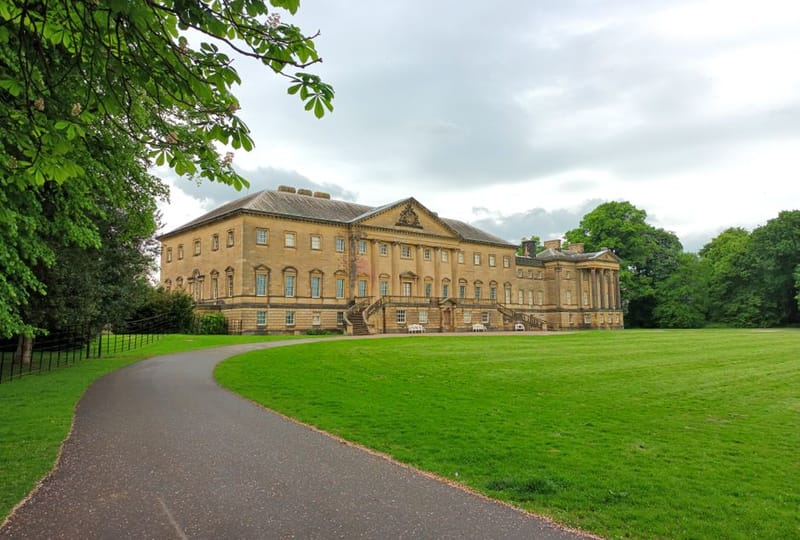
Dog-Friendly National Trust Places