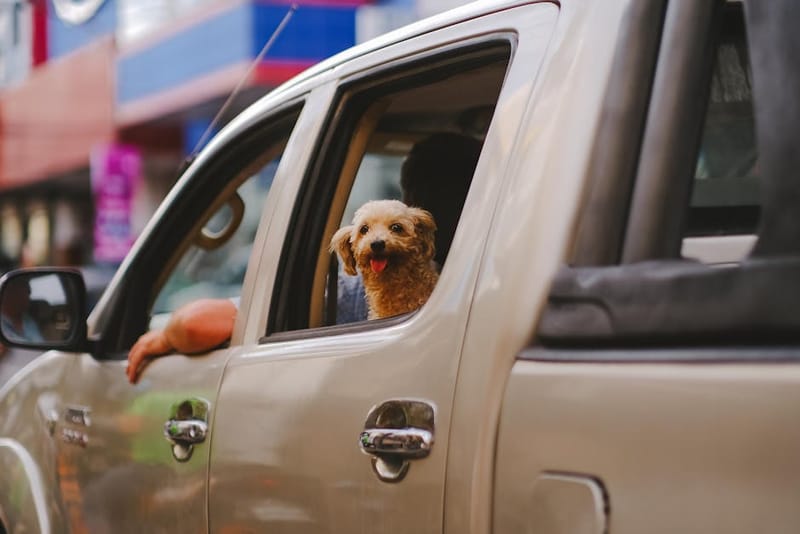
UK Dog-Friendly Winter Breaks 2026/27: 10 Off-Peak Picks
Off-peak UK dog-friendly winter breaks, November to March 2026/27: Lake District cabins, Cotswolds pubs, Highland lodges and Pembrokeshire cottages.
UK winter (January to March, plus a quieter November) is the unsung season for dog-friendly travel. Cottage prices drop 25-40% versus peak summer, beach access is wider (most summer-restricted Cornish, Devonian, and Dorset beaches reopen to dogs in October), pubs welcome the wet-coat trade, and the walks are quieter. The trade-off is daylight - sub-9-hour days in January per the UK government's BST/GMT guidance - and weather variability. With the right region and the right cottage, both are workable.
This is the round-up of 10 UK winter break ideas worth booking for winter 2026/27: November and early December 2026, then January to March 2027. The Lake District (the National Park in Cumbria, England's largest, built around its lakes and fells) and the Yorkshire Dales (the limestone-dale National Park in the northern Pennines) lead the list for walking; the coast picks follow. Price bands below are rough low-season guides for a 3-night stay, not quotes - rates move with the week you book, so check live prices before you commit.
Winter break, Christmas or half-term: which guide do you need?
This guide is for an off-peak winter break: a quiet few nights between November and March, chosen for walking, value and empty beaches. Two weeks inside that window behave differently enough that we cover them separately:
- Christmas and New Year: hotels sell festive packages with fixed dates, minimum stays and set menus, and the best dog rooms go months ahead. See our dog-friendly Christmas breaks guide for the hotels taking dogs over Christmas 2026, and our quiet dog-friendly New Year breaks guide if your dog is nervous of fireworks.
- February half-term: a family week, with prices and crowds well above the rest of the month and a different shortlist of regions. See our dog-friendly half-term breaks guide for February, May and October half-term.
For every other winter week, the ten picks below are where we would start.
Which UK regions are best for a dog-friendly winter break?
Some regions winter better than others. The strongest UK winter-break dog regions for 2026/27, ordered by how confidently we'd send a friend there between November and March:
1. Lake District log cabins (Buttermere, Borrowdale, Coniston)
The Lake District winter break is the UK classic. Log cabins around Buttermere and Borrowdale come in at £400-700 for 3 nights (vs £700-1200 in summer), and the fell walking is at its most photogenic with frost or snow on the tops. The trick is staying low - Buttermere lakeshore walk, Borrowdale woodland trails, Catbells low-route. Dogs love the cold-and-water combination; you'll want a good drying towel and a serious pair of waterproofs.
Best paired with: our Lake District guide, Lake District cottages, and Lake District dog-friendly pubs for fire-warmed evenings.
2. Cotswolds pub-with-rooms (Stow, Burford, Bourton)
The Cotswolds winter break is the comfort pick - dense pub-with-rooms inventory, honey-stone villages that look beautiful in low winter light, easy walking that doesn't punish you for shorter days. Pub rooms come in at £110-170 per night off-peak (mid-January to mid-February especially good). Most coaching inns retain a real fire and a friendly bar dog.
Best paired with: our Cotswolds guide and our pubs-with-rooms hub.
3. Scottish Highlands lodges (Cairngorms, Loch Ness area)
The Highlands winter break is for confident travellers - the road network is reliable but the weather genuinely lifts, and a 4-night stay is the practical minimum given the drive time. The reward is wilderness with no crowds, hard frost forests, and (potentially) red deer at dawn. Dog-friendly Highland lodges run £450-900 for 4 nights in deep winter. Cairngorms National Park is more accessible than the West Highlands; Loch Ness area is gentler walking with great water access.
Best paired with: our Highlands guide.
4. Pembrokeshire coastal cottages (St Davids, Newport, Solva)
The Pembrokeshire winter break gives you what most UK regions can't in winter: open-access dog-friendly beaches. Most Pembrokeshire beaches have no seasonal dog restrictions, so January walks at Newgale, Whitesands, and Barafundle are as accessible as July. Coastal cottages in Solva, St Davids, and Newport (Pembs) run £350-650 for 3 nights in low season. The trade-off is Atlantic weather - wet, windy, occasionally storm-bound.
Best paired with: our Pembrokeshire guide.
5. Snowdonia / Eryri self-catering (Llanberis, Beddgelert, Betws-y-Coed)
Snowdonia (Eryri) National Park works in winter for owners with capable dogs and good kit. The valleys around Beddgelert and the lakes near Capel Curig stay walkable through most of the season; the high tops are best left alone unless you're a mountain-experienced walker. Self-catering cottages run £400-650 for 3 nights. Welsh hospitality is consistently strong and the slate-village aesthetic looks particularly photogenic in low light.
Best paired with: our Snowdonia guide.
6. Northumberland coast cottages (Bamburgh, Beadnell, Craster)
The Northumberland coast is the wild-card pick - empty beaches, castle backdrops, and some of the lowest UK winter accommodation prices. Cottages around Bamburgh, Beadnell, and Craster run £350-550 for 3 nights in winter. The catch is exposure - North Sea winds make winter walks bracing rather than restful. Best for dogs who genuinely enjoy cold-weather walking.
Best paired with: our Northumberland guide.
7. New Forest pub stays (Beaulieu, Lyndhurst, Burley)
The New Forest winter break is the easy-access London-friendly pick. 90 minutes by car from Waterloo, dense pub-with-rooms inventory, gentle heath walking that suits all dog energies, and ponies + donkeys still wandering at low ebb. Pub rooms run £100-160 winter weekday. Beaulieu, Lyndhurst, and Burley are the strongest base villages.
Best paired with: our New Forest guide.
8. Cornwall coast (off-peak shoulder season)
The Cornwall winter break is the surprise: prices halve and the summer beach restrictions lift. From October to mid-May, none of Cornwall Council's seasonal beach restrictions apply, so every council beach is open to dogs all day apart from three wildlife sites near Hayle. Cottages in Polzeath, Padstow, and the Lizard run £400-700 for 3 nights vs £900-1500 in July. The catch is weather: Atlantic Cornwall is wet, and February storms can shut roads. Booked with flexible cancellation it's an excellent value pick.
Best paired with: our Cornwall guide and Cornwall dog beach rules, which lists the beaches with summer restrictions.
9. Yorkshire Dales drovers' inns
The Yorkshire Dales drovers' inn stay is the value-and-comfort winter pick. Hawes, Reeth, Buckden, and Malham have multiple pub-with-rooms at £90-150 per night winter rate. Walking is moderate; livestock-worrying caveats around lambing time matter (early Feb-late March), so plan walks accordingly. Real fires in every bar - and the dales evening light from a window seat at 4pm is special.
Best paired with: our Yorkshire Dales guide.
10. Isle of Wight self-catering (off-peak)
The Isle of Wight winter break is the easy ferry pick. Wightlink and Red Funnel accept dogs free on car-deck crossings, and the island has the highest concentration of dog-friendly beaches in southern England. Off-peak cottages run £400-650 for 3 nights. Best for owners who want a contained, walkable region - the IoW is small enough to explore properly in 3-4 days.
Best paired with: our Isle of Wight guide and UK pet-friendly ferries.
What month is best for a UK dog-friendly winter break?
The three winter months differ meaningfully:
- November: Quietest period of all - schools back, weather still mild-ish, accommodation cheapest. Best for first-time UK winter trippers. Daylight 9-10 hours.
- January (excluding first week): The classic winter break window. Quiet, cheap, frost-and-low-sun walking. Daylight 8-9 hours. Best for committed cold-weather travellers.
- February (outside the school holiday): The deal window. Three of February's four weeks are quiet, cheap and excellent for walking; the school-holiday week is the exception, with prices and crowds well above the rest of the month. Travelling with children that week? Our half-term breaks guide covers where to go and how to book it. Daylight 9-10 hours.
- March: Daylight returns (10-11 hours by month-end), spring lambing matters for livestock-worrying caution, prices start rising mid-March as Easter approaches (Easter Sunday falls on 28 March in 2027, so the Easter holidays start earlier than usual).
- Early December: The first fortnight is quiet and still priced at the winter rate, with lit-up market towns and fire-warmed pubs. Christmas and New Year themselves are a different trip, with packages, minimum stays and early sell-outs - our Christmas breaks guide covers that week.
What should you pack for a UK winter break with a dog?
Two dog towels (minimum)
Wet weather + walk circuits mean you'll be drying your dog twice daily. A second towel ready while the first is in the washing machine is the difference between a comfortable trip and one with a permanently damp dog.
Reflective harness or collar (essential for low-daylight walks)
Sub-9-hour daylight means many walks end in twilight. A reflective harness costs £15-25 and is non-negotiable for safety.
Proof of vaccination + ID tag
Some pubs and accommodation will ask, particularly in Scottish Highlands and remote Cornish properties. Phone photo is fine.
Dog coat (if your dog is small or short-coated)
Spaniels, terriers, and short-coated breeds benefit from a coat in January-February temperatures. Long-coated breeds (Goldens, retrievers, GSDs) usually don't need one.
Familiar bedding (helps anxiety in new spaces)
Cold-weather travel days are tiring for dogs. Familiar bedding in the cottage from arrival reduces new-environment anxiety meaningfully.
Pre-book dog-friendly indoor lunch/dinner options
Winter walking days end early and pubs fill from 5pm. Book your evening pub-with-dog spot before you set out for the walk - you don't want to drive 4 miles to discover the kitchen closed at 7.
Frequently asked questions
Are UK winter breaks cheaper than summer for the same property?
Which regions have the best beach access for dogs in UK winter?
When is the quietest time for a UK winter break with a dog?
Will my dog cope with a UK winter break in cold conditions?
What's the cheapest UK dog-friendly winter break option?
Can I book a UK winter break last-minute with a dog?
The bottom line
UK winter is genuinely under-rated for dog-friendly travel. The Lake District, Cotswolds, and Scottish Highlands all offer a different style of winter experience - log cabins, pub stays, wilderness lodges - and each comes in 25-40% cheaper than peak summer. Pembrokeshire and the Northumberland Coast are the under-radar coastal options. Cornwall and Devon are the surprise off-peak picks.
Travel outside the school holidays, pack the right kit, plan walks around shorter daylight, and book somewhere with a real fire and a boot-drying space. With those four things sorted, a winter break with a dog this 2026/27 season will outperform the summer trip on price, crowds, and quality of experience.
Giving a winter break as a present? Our Christmas gift ideas for dogs, by budget round up the drying coats, car kit and insulated jackets that earn their keep on a trip like this.
Best UK Dog-Friendly Weekend Breaks 2026: 12 Top Ideas
Best UK Dog-Friendly Pubs with Rooms 2026
Dog-Friendly Christmas Breaks UK 2026: Hotels & Cottages
Dog-Friendly Half-Term Breaks UK 2027: Seasonal Guide